

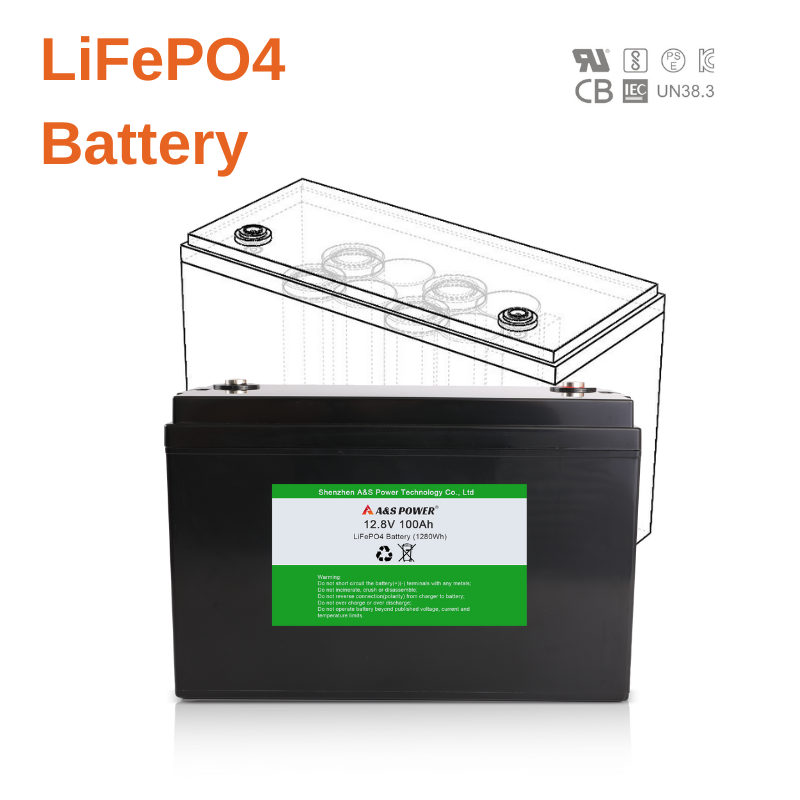
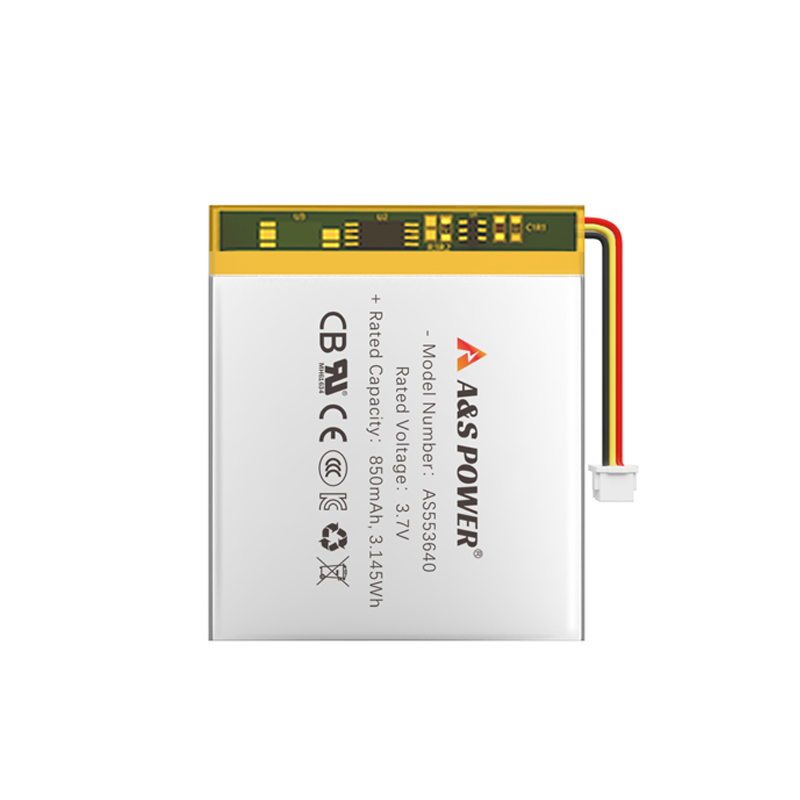
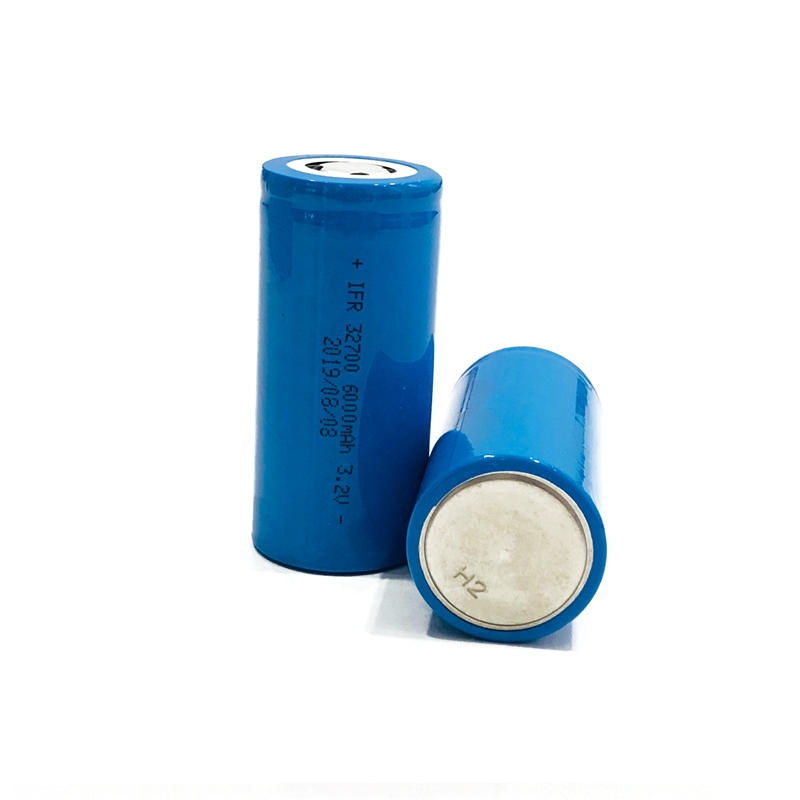



As an experienced team of engineers and B2B energy storage innovators, we have spent years watching the global renewable landscape shift. Today, the question is no longer whether you should pair a solar installation with an energy storage system (ESS), but rather: Which chemistry, layout, and technical configuration will maximize efficiency and secure your long-term return on investment (ROI)?
In this technical analysis, I will break down the exact performance parameters, chemical profiles, economic data, and architectural requirements that define high-tier solar battery storage in 2026. Whether you are building complex commercial microgrids, provisioning medical device emergency backups, or sourcing multi-megawatt components for high-volume wholesale distribution, this deep-dive provides the actionable insights you need.
1. The Core Chemistry Battle: LiFePO4 vs. NMC in Modern Solar Systems
When building or specifying a solar battery system, your choice of lithium-ion chemistry directly impacts safety, lifetime costs, and operational limits. According to recent data from the International Energy Agency (IEA), Lithium Iron Phosphate (LiFePO4) now commands roughly 90% of all stationary energy storage deployments globally. Let us analyze why the industry has universally pivoted away from Nickel Manganese Cobalt (NMC) for stationary installations, focusing strictly on empirical benchmarks.
Structural Stability and Thermal Safety
The core differentiator lies at the molecular level. LiFePO4 features a highly stable olivine crystal structure characterized by strong covalent P-O bonds. This gives the material an incredibly high thermal runaway threshold of approximately 500°C. Conversely, NMC relies on a layered structure with a much lower flashpoint of roughly 210°C. When pushed into thermal runaway due to overcharging or physical damage, NMC cells release both oxygen and significant thermal energy, peaking at faces temperatures up to 800°C.
A LiFePO4 pack under failure releases mostly non-combusting smoke and gas, retaining 75% to 80% of its total mass within the structural cell casing. For residential settings or high-security industrial floors (such as medical or cleanroom manufacturing), this chemical safety variance is a critical consideration.
Degradation and Cycle Life
A solar battery is a long-term capital asset. Daily cycling (charging during peak PV generation and discharging during peak evening demand) exposes cells to continuous degradation.
- LiFePO4 Systems: Routinely deliver 3,000 to over 6,000 complete charge/discharge cycles at 80% Depth of Discharge (DoD) before hitting their 80% nominal capacity retention limit. In optimal conditions, this translates to 10 to 15 years of heavy, predictable operation.
- NMC Systems: Typically offer 800 to 2,000 cycles. Under continuous daily heavy cycling, capacity fade accelerates within 3 to 5 years, demanding complete pack replacements far sooner.
Environmental and Temperature Tolerance
The operational envelope varies dramatically between these chemistries. NMC maintains superior energy retention in extreme freezing environments, operating efficiently down to -20°C with nominal capacity drops. LiFePO4, however, excels in elevated ambient conditions, experiencing significantly lower degradation rates above 40°C compared to NMC. While standard LiFePO4 cells require integrated internal heaters or climate-controlled enclosures to safely charge below 0°C, their performance under high operating loads and high-ambient summers makes them the unmatched standard for standard stationary storage.
2. Technical Performance Matrix: Quantitative Benchmarks
To design a reliable solar battery topology, you must map system characteristics precisely against engineering constraints. Below is our comprehensive engineering matrix compiled from verified factory production benchmarks, academic research, and real-world grid telemetry.
| Performance Attribute | Lithium Iron Phosphate (LiFePO4) | Nickel Manganese Cobalt (NMC) | Advanced Lead-Acid (AGM/Gel) |
|---|---|---|---|
| Volumetric Energy Density | 100 – 180 Wh/kg | 160 – 270 Wh/kg | 30 – 50 Wh/kg |
| Standard Cycle Life (80% DoD) | 3,000 – 6,000+ Cycles | 800 – 2,000 Cycles | 300 – 700 Cycles |
| Thermal Runaway Threshold | ~500°C | ~210°C | N/A (Hydrogen Risk) |
| Round-Trip Efficiency | 92% – 96% | 90% – 94% | 75% – 85% |
| Recommended DoD Limit | 90% – 100% | 80% | 50% |
| Relative Manufacturing Cost | Baseline | +20% to +30% vs LiFePO4 | -40% (Higher Lifecycle Cost) |
| Calendar Lifespan (Years) | 10 – 15+ Years | 3 – 6 Years | 2 – 5 Years |
Understanding Round-Trip Efficiency and DoD Impact
Round-trip efficiency measures the energy lost as heat during a complete charge and discharge cycle. With LiFePO4 systems routinely achieving up to 96% efficiency, power conversion losses are kept to an absolute minimum. Furthermore, the ability to deep-cycle LiFePO4 down to 90% or even 100% without triggering accelerated structural failure means you can use the entire nameplate capacity. An NMC battery must maintain a 20% buffer (operating strictly between 20% and 80% capacity) to achieve even moderate longevity, which increases the nominal pack size required to meet the same real-world energy demands.
3. Global Solar Battery Market: Volume Dynamics and Industry Data
Understanding broader macro trends helps buyers mitigate supply-chain risks and capitalize on economies of scale. The global solar energy storage landscape has experienced exponential growth, driven by falling component costs, expanding zero-emission initiatives, and the rapid growth of localized smart microgrids.
According to market data compiled by industry analysts at Global Market Insights and Research Nester, the global solar energy storage market stood at $86.8 billion in 2025. It is on track to hit $99.9 billion by the end of 2026, ultimately scaling to $423.2 billion by 2035 with a steady compound annual growth rate (CAGR) of 17.4%.
Geographically, Asia-Pacific remains the high-volume production leader and consumer hub, controlling over 33% of the global share. This is fueled by manufacturing infrastructure and clean-energy roadmaps. Concurrently, North America represents the fastest-growing market, highlighted by the U.S. installing an unprecedented 9.7 gigawatt-hours (GWh) of new storage capacity in the first quarter of 2026 alone. By end-user allocation, industrial and utility-scale installations account for nearly 80% of newly deployed capacity, while residential configurations represent a flexible, high-margin, rapidly standardizing segment worldwide.
4. Architectural Anatomy of an Advanced Solar Battery System
A professional solar battery storage system is far more than a simple collection of raw lithium cells. It is a highly integrated power ecosystem designed to manage electrical dynamics safely and intelligently.
1. The Core Battery Modules
This is where individual high-capacity cells are configured in series and parallel to hit exact system voltages (such as low-voltage 48V/51.2V rack systems or high-voltage multi-hundred-volt utility strings). High-grade configurations deploy laser-welded busbars and compression frames to counter the natural expansion and contraction of cells during high-current cycling.
2. The Battery Management System (BMS)
The BMS serves as the central intelligent brain of the asset. A commercial-grade BMS executes real-world monitoring functions at millisecond intervals:
- Passive and Active Cell Balancing: Equalizes voltage levels across all internal cell strings to prevent single-cell overcharging or premature capacity dropouts.
- Thermal Protection Overrides: Continuously tracks temperature via arrayed thermistors, instantly throttling current or decoupling relays if a thermal anomaly surfaces.
- State of Charge (SoC) & State of Health (SoH) Estimation: Employs advanced Coulomb counting algorithms to report real-time remaining capacity and long-term asset health.
3. Integrated Power Conversion (Inverters and Controllers)
The solar battery must interface smoothly with both the photovoltaic array (DC) and the facility grid (AC). Modern setups lean heavily into two topologies:
- DC-Coupled Systems: High-efficiency architecture where PV power transfers directly to the battery storage system via a Maximum Power Point Tracking (MPPT) charge controller. This avoids dual conversion losses (DC to AC to DC), making it the gold standard for dedicated off-grid and new industrial setups.
- AC-Coupled Systems: The battery bank uses its own dedicated bi-directional inverter connected directly to the facility's main AC breaker panel. This configuration is highly flexible, making it ideal for retrofitting existing commercial solar layouts without rewiring the foundational solar array.
5. Maximizing Efficiency, Sizing, and Long-Term ROI Calculation
To secure real-world economic value from a solar battery system, you must avoid over-provisioning (which inflates initial capital expenditure) and under-provisioning (which causes excessive depth of discharge and shortens operational lifespan).
Step-by-Step Sizing Methodology
To calculate your required usable storage capacity, you must establish your target daily runtime hours during grid outages or high-tariff peak windows, paired with an understanding of maximum load draw. The structural formula can be expressed as:
Required Usable Capacity (kWh) = [Continuous Load (kW) × Backup Time (Hours)] / [DoD × System Efficiency]
For an industrial facility pulling a steady 10 kW load for 5 hours of overnight operation, assuming a 90% Depth of Discharge (DoD) and a 92% system efficiency coefficient, the engineering equation translates to:
(10 kW × 5 Hours) / (0.90 × 0.92) = 50 / 0.828 ≈ 60.38 kWh
Rounding up to a standard 48V or 51.2V modular rack architecture totaling approximately 61 kWh ensures the facility runs smoothly without over-stressing individual cells or risking unexpected dropouts.
Financial Optimization Strategies
- Peak Shaving and Time-of-Use (ToU) Arbitrage: In markets characterized by variable energy pricing, the battery stores power during low-cost mid-day hours or off-peak night windows and discharges it during expensive peak billing periods. This slashes demand charges for industrial enterprises.
- Maximizing Self-Consumption: Without an energy storage asset, excess daytime solar energy is exported back to the utility grid for minimal net-metering credits. Integrating a high-efficiency LiFePO4 battery network locks that clean energy in-house, ensuring zero wasted generation.
6. Sourcing & Quality Compliance Checklist for B2B Buyers
As a global industry partner specializing in advanced custom lithium cell manufacturing and engineering, we know firsthand that long-term reliability boils down to strict certification compliance. When auditing potential B2B battery manufacturers, your procurement and engineering teams should mandate the verification of these key international safety standards:
- UN38.3 Certification: The definitive global standard governing transportation safety. Any lithium battery pack must pass strict thermal, vibration, impact, and vacuum testing before it can legally be shipped internationally via air or sea freight.
- IEC 62133-2: This international standard specifies safety requirements for portable sealed secondary lithium cells and batteries. It is non-negotiable for systems targeted at medical equipment, critical backups, and consumer-facing industrial gear. You can audit compliance baselines directly via the official International Electrotechnical Commission (IEC) registry.
- UL 1973 and UL 9540A: Crucial compliance baselines for stationary energy storage systems in North America. UL 9540A evaluates large-scale thermal runaway fire propagation behavior, a vital metric for building and safety inspectors. To track regional implementation trends, refer to the Solar Energy Industries Association (SEIA) database.
- ISO 13485 Compliance: If you are developing custom lithium-ion or lithium-polymer battery packs to power medical devices or aesthetic beauty hardware paired with solar microgrids, ensuring your manufacturing partner adheres to ISO 13485 medical quality management systems is absolutely necessary to guarantee trace-level reliability. Explore our tailored engineering options on our Custom LiFePO4 Battery Pack Solutions manufacturing hub.
7. Frequently Asked Questions (FAQ)
Q1: What is the practical difference between a low-voltage and a high-voltage solar battery system?
A: Low-voltage systems (typically 48V to 51.2V nominal) are highly scalable, safer for manual installation, and serve as the standard for residential and small-to-medium commercial applications. High-voltage systems (ranging from 150V to over 400V) feature lower operational currents, which significantly reduces DC cable transmission losses. This makes high-voltage setups ideal for large-scale industrial installations and high-power demand equipment.
Q2: Why is LiFePO4 considered better than NMC for stationary solar setups if NMC has higher energy density?
A: While NMC’s high volumetric energy density makes it perfect for electric vehicles (EVs) where minimizing weight is crucial, weight is rarely a primary constraint for stationary solar installations. For stationary systems, safety, cycle life, thermal tolerance, and long-term ROI are far more important. LiFePO4 delivers up to triple the operational lifespan and a virtually fire-proof safety profile, making it the superior option for stationary storage.
Q3: How does an integrated Battery Management System protect against field failures?
A: The BMS continuously monitors individual cell voltages, pack temperatures, and current flows. If the system detects a single cell overcharging, dropping below safe discharge limits, or exceeding safe operating temperatures, the BMS automatically opens its protection relays or sends a digital command to throttle the inverter. This isolates the risk before it escalates into permanent equipment damage or a field failure.
Q4: Can I mix and match battery modules of different ages or capacities within the same solar array?
A: We strongly advise against mixing battery modules of different ages, capacities, or internal resistances. Older modules exhibit higher internal resistance and lower capacity. When mixed with new modules, the system will prematurely bottleneck to match the weakest link, accelerating the degradation of the older cells and causing significant balance issues across the entire system.
Q5: What environmental conditions are ideal for maintaining a solar battery system?
A: The ideal operating temperature range for a premium LiFePO4 solar battery system is between 15°C and 25°C (59°F to 77°F). While they can run safely across a wider range (-20°C to 60°C for discharging), keeping them in a clean, dry, climate-controlled or well-ventilated enclosure prevents moisture accumulation and minimizes cell degradation over time.


